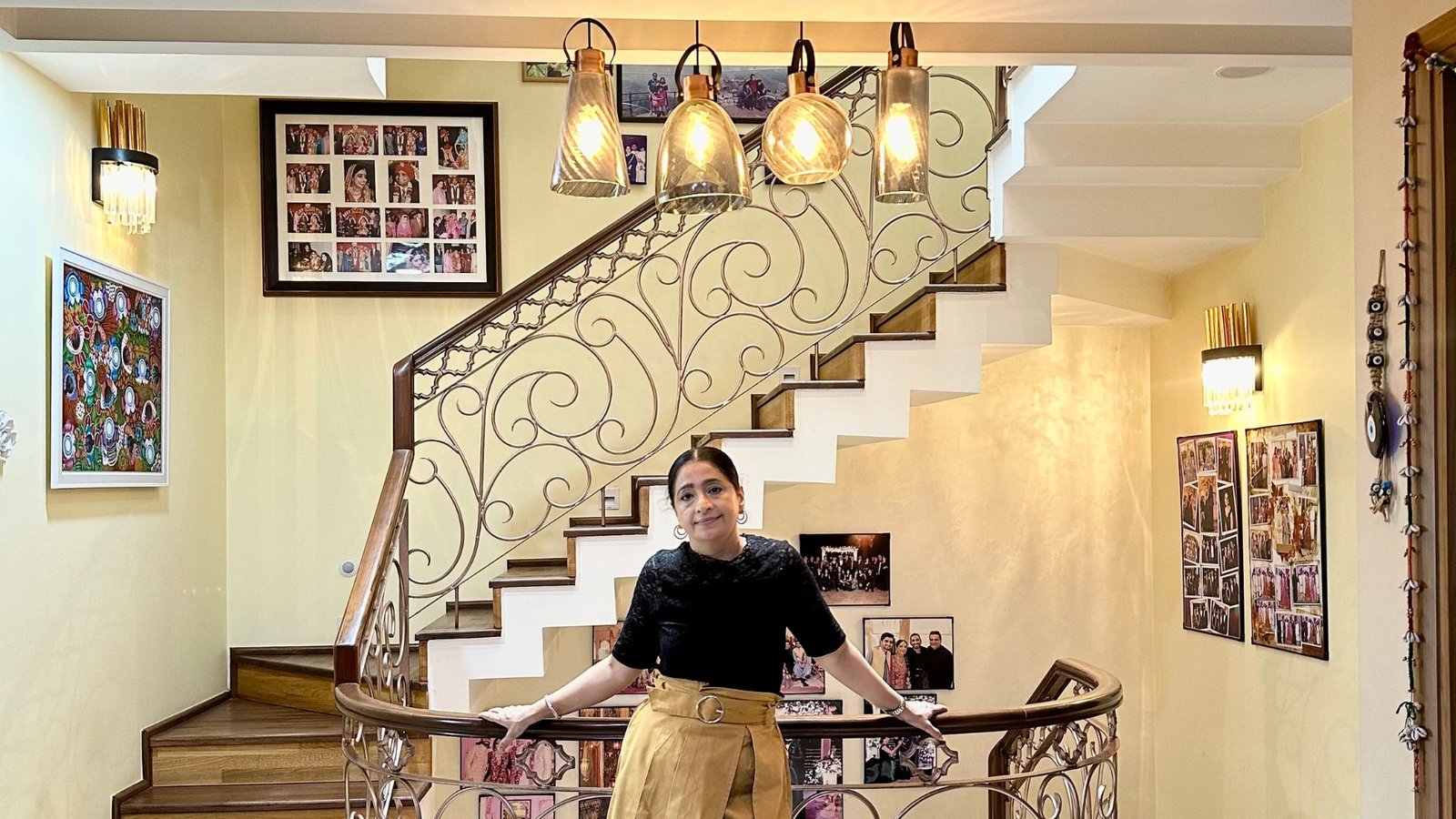
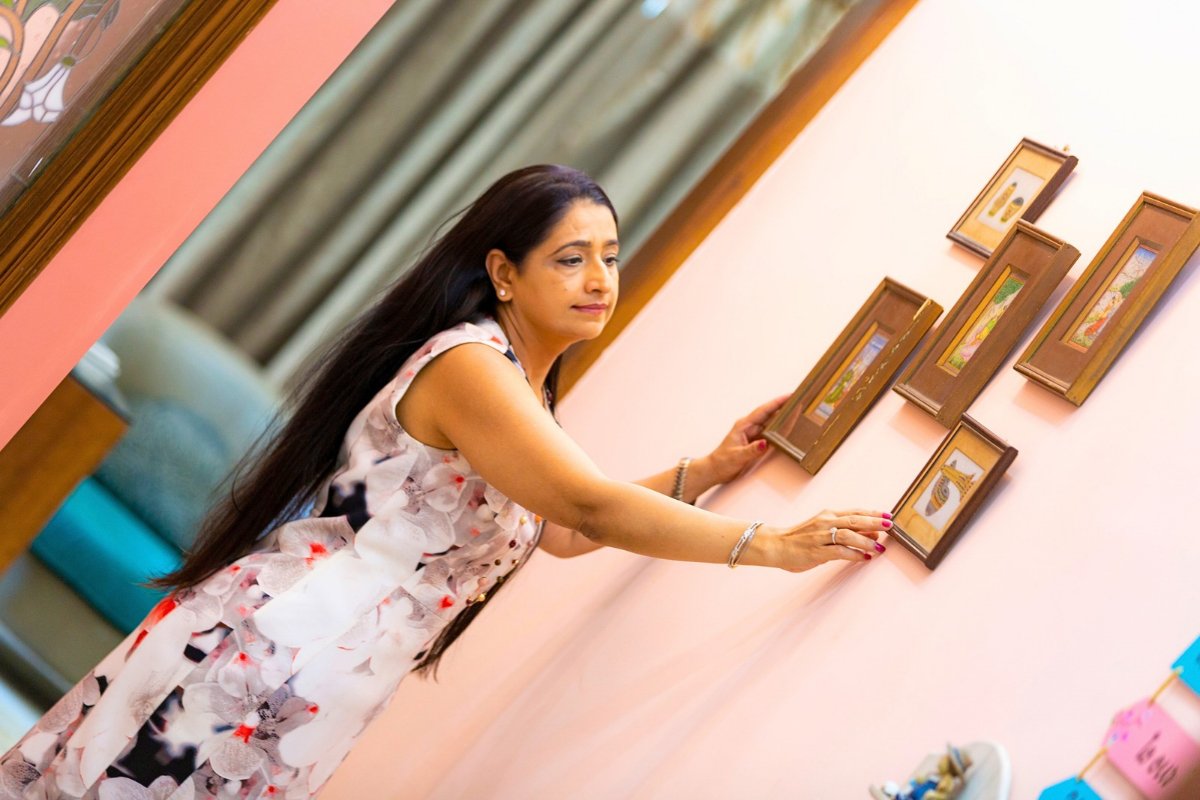
Lighting has the power to completely transform how a space feels. It creates mood, adds warmth, highlights beautiful details and brings depth to a room. I often think of lighting as the jewellery of a space — the element that completes the design and makes everything else come alive. Even the most beautifully designed room can feel flat if the lighting has not been thoughtfully planned.
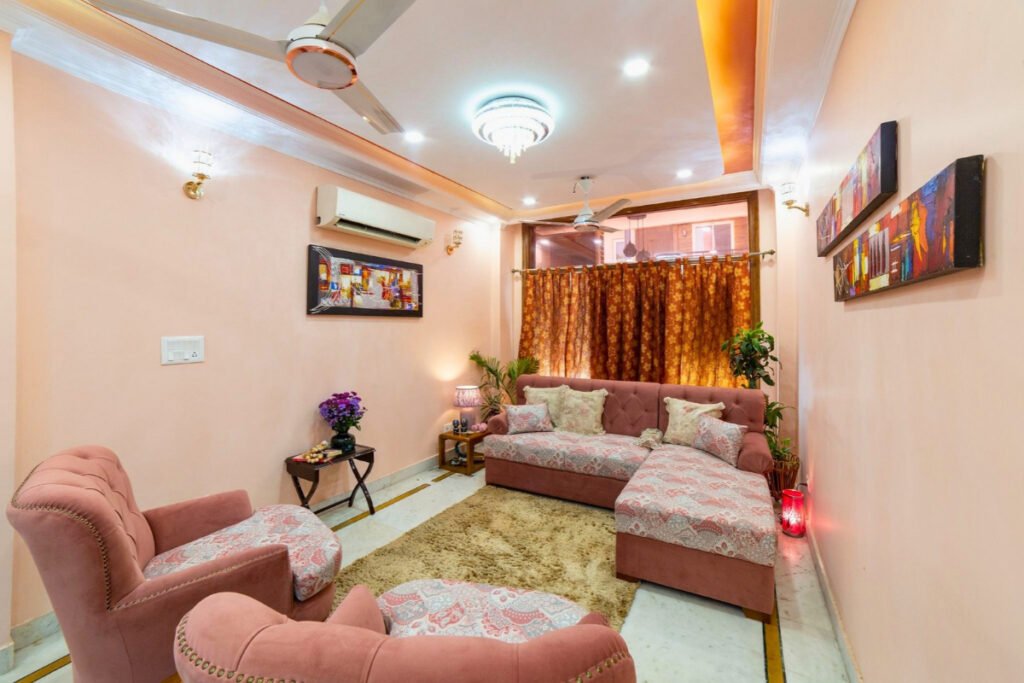
That is why layering light at different levels and heights is so important. Each layer serves a different purpose — some provide overall illumination, some support specific activities, while others draw attention to art, textures or architectural details. When these layers work together, the room feels balanced, dimensional and far more inviting.
THE THREE MAIN LAYERS OF LIGHTING
Ambient Lighting
The general light of a room and the base layer of the lighting plan. Ceiling lights, chandeliers, recessed lights and cove lighting are commonly used to provide overall illumination and establish the mood of the space.
Task Lighting
Focused lighting designed for specific activities such as reading, cooking, working or getting ready. Bedside lamps, floor lamps, pendant lights over counters, under-cabinet lighting and vanity lights are good examples.
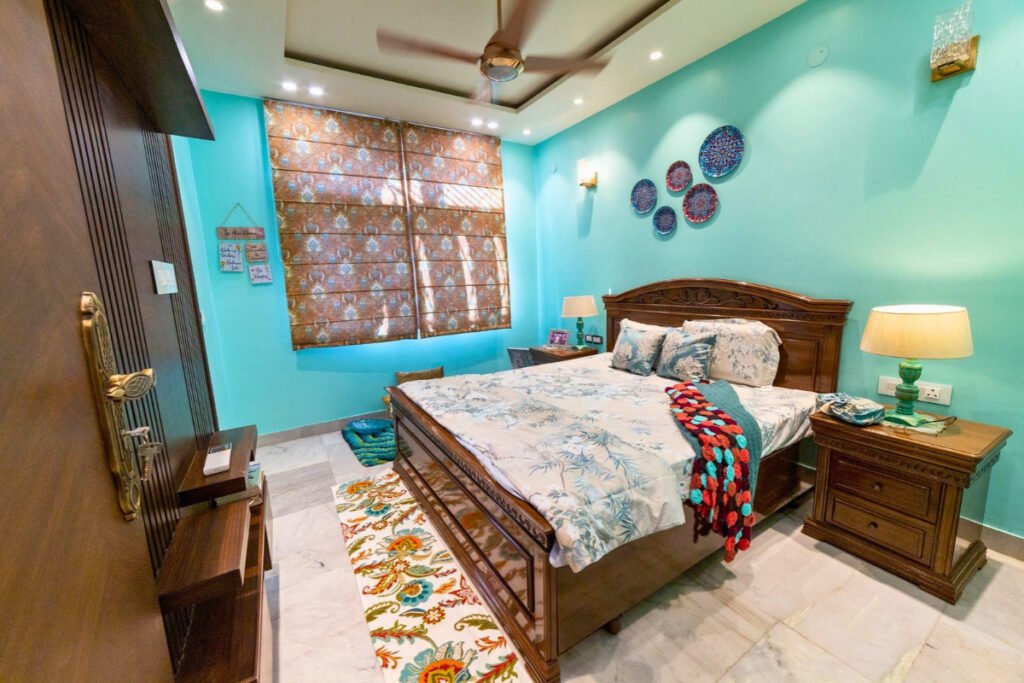
Accent Lighting
Lighting used to create depth and draw attention to artwork, textures, niches, shelving, plants or architectural details. Spotlights, picture lights, wall washers and shelf lighting work especially well for this purpose.
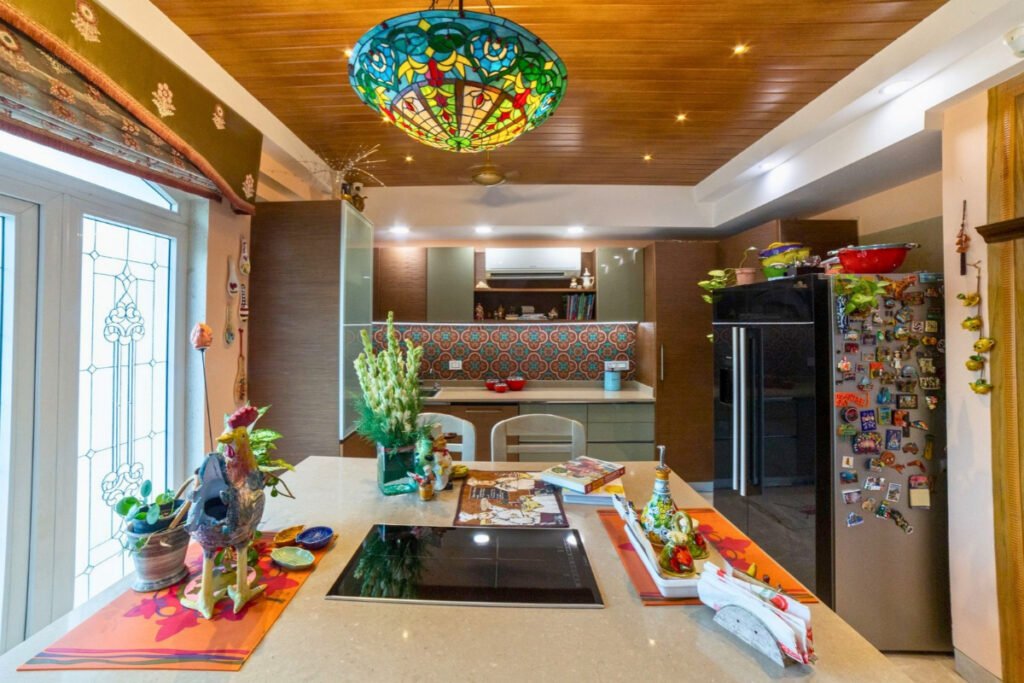
HOW TO LAYER LIGHTING IN A ROOM
The idea is not to fill a room with too many lights. It is to create different layers that work individually and together.
Start with ambient lighting
Establish the overall brightness and mood of the room with ceiling lights, recessed lighting, chandeliers or cove lighting.
Add task lighting where function demands it
Think about how the room will actually be used. Reading corners, bedsides, kitchen counters, work desks and vanities all benefit from focused lighting.
Use accent lighting to create focus
Highlight the elements you want people to notice — artwork, textured walls, architectural niches, shelving or decorative objects.
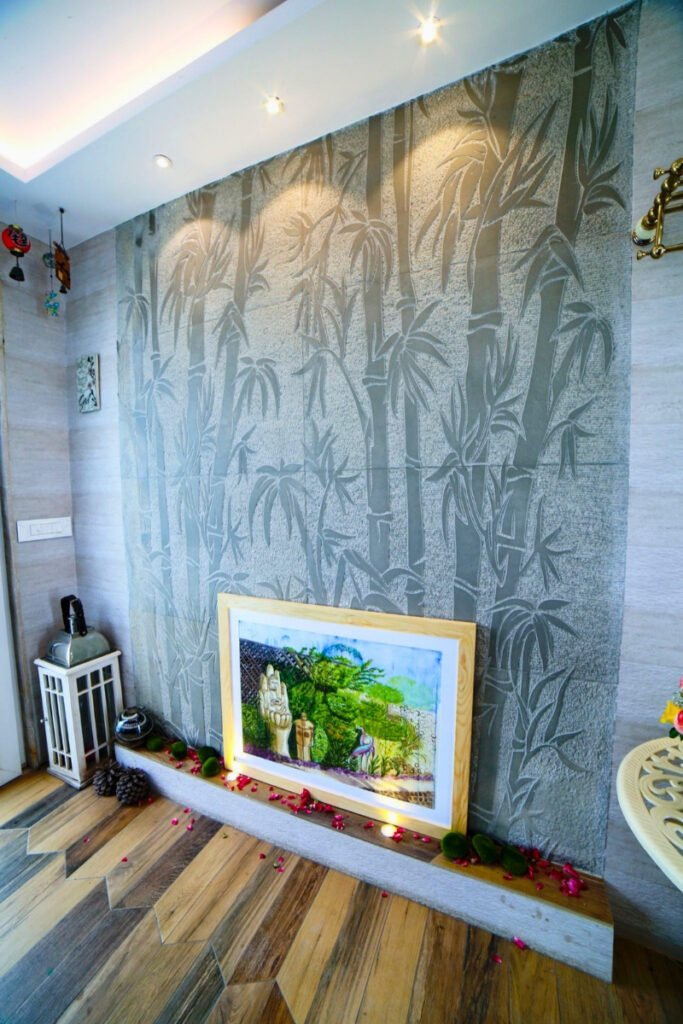
Work at different heights
Combine ceiling lighting with wall lights, table lamps and floor lamps. Light coming from different levels creates more depth and prevents a room from looking flat.
Create different combinations for different moods
Every light does not need to be switched on at the same time. A room can feel bright and functional during the day, softer in the evening and more atmospheric while entertaining.
COMMON LIGHTING MISTAKES TO AVOID
- Relying only on ceiling lights
Lighting entirely from above can make a room feel flat or harsh. - Using too much light
More light does not necessarily mean better lighting. Over-lighting can make a home feel clinical rather than comfortable. - Ignoring task lighting
General illumination is often not enough for reading, cooking, working or getting ready. - Using the wrong colour temperature
Mixing very warm and very cool lighting in the same space can make the room feel inconsistent. - Forgetting dimmers and controls
Dimmers allow the same space to shift from bright and functional to soft and atmospheric. - Choosing fixtures only for appearance
A beautiful chandelier or pendant should still contribute to the overall lighting plan. - Not highlighting important details
Artwork, textures and architectural features can disappear after dark if they are not thoughtfully illuminated.
HOW WE USE LIGHTING AT SUHAUS
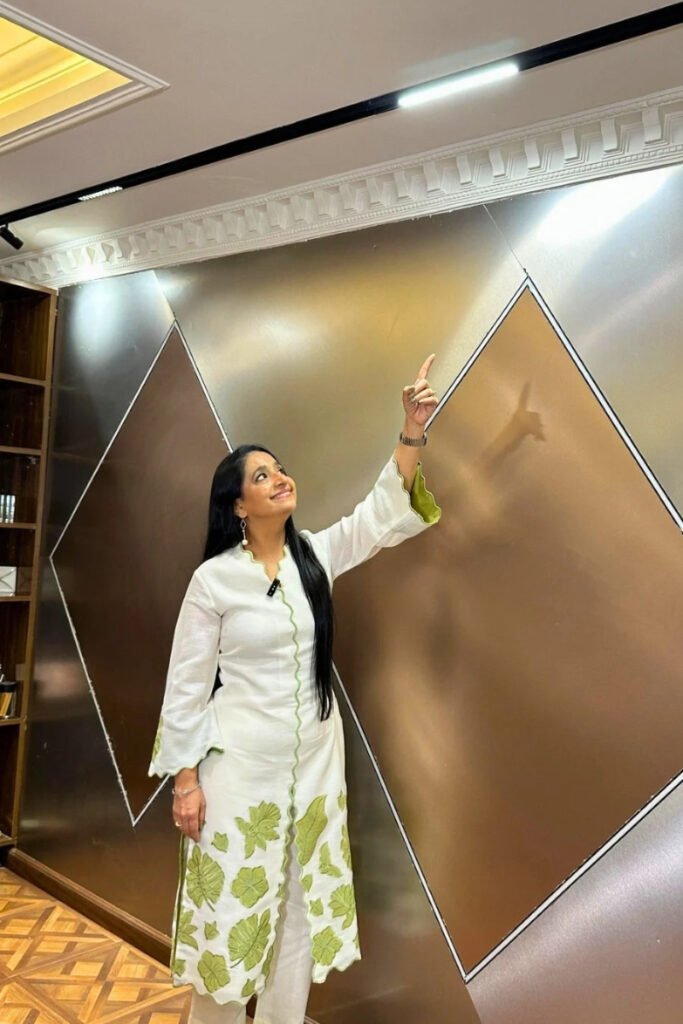
At Suhaus, lighting is planned as part of the design from the beginning rather than being added at the end.
We consider:
- How the space will be used
- Which features deserve emphasis
- What mood we want to create
- How the room should feel at different times of the day
In one of our corporate office projects, we combined:
- Cove lighting
- Spotlights
- Task lighting
- Decorative fixtures
These different layers helped create distinct moods across the executive cabins, work areas and lounge spaces.
In the Director’s Den, warmer layered lighting complemented the beige, brown and gold palette and helped create a more refined and inviting atmosphere.
Across other projects, we have also used:
- Stretch ceilings
- Concealed lighting
- Wall lighting
- Focused accent lights
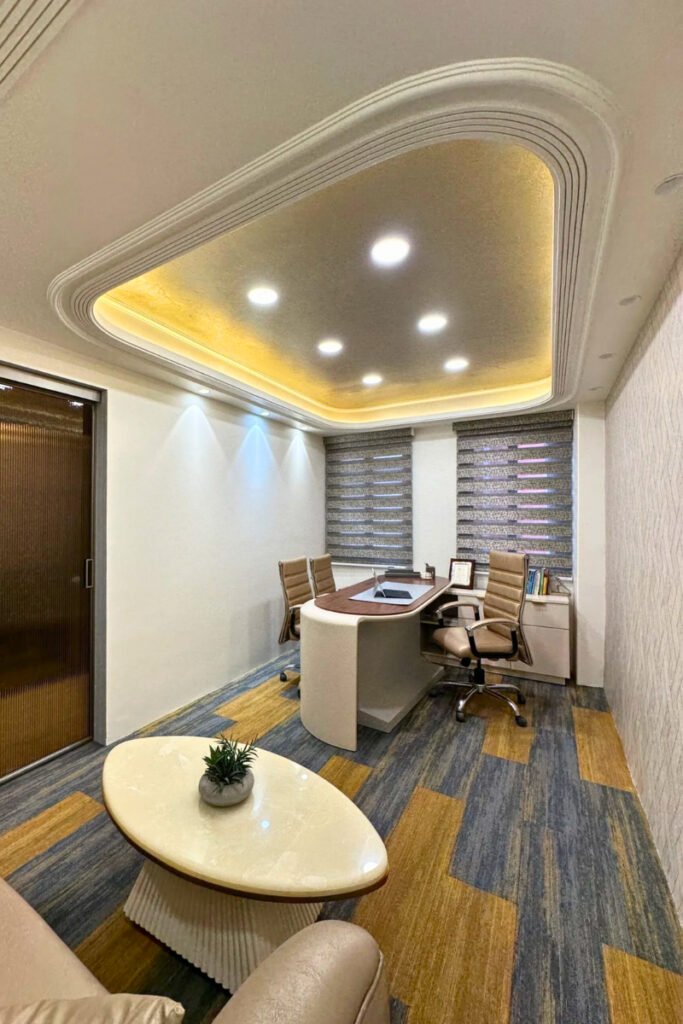
These allow us to highlight textures, artwork and architectural details while keeping the overall atmosphere balanced.
The intention is always the same — every light should have a purpose, and together the different layers should make the space feel complete.
THE FINAL LAYER
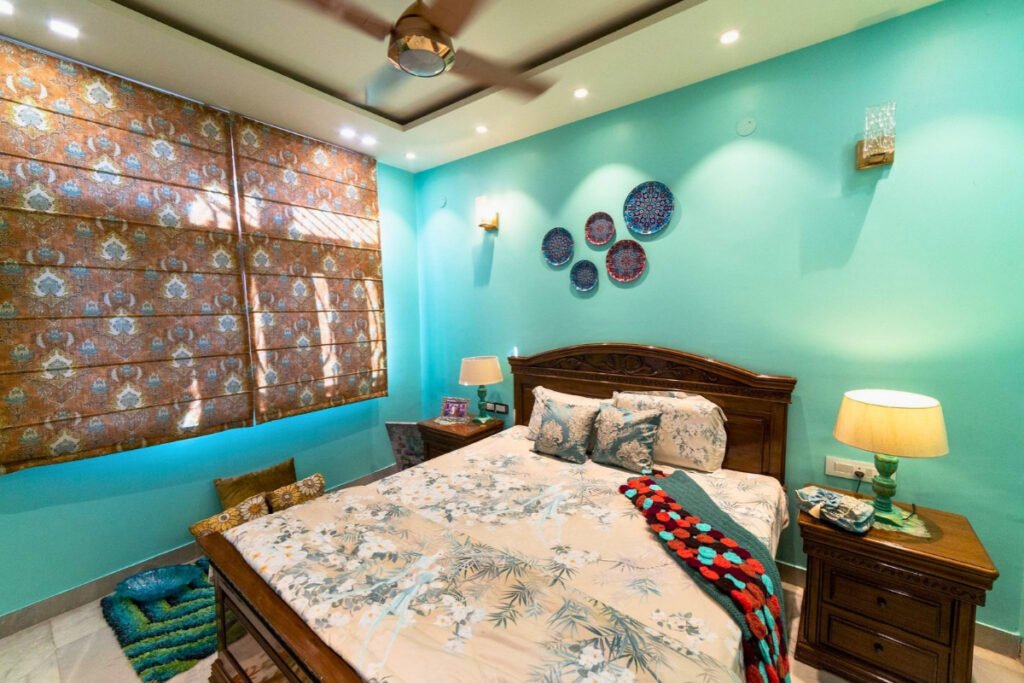
Good lighting is not about filling a room with fixtures. It is about finding the right balance between function, mood and atmosphere.
When ambient, task and accent lighting are thoughtfully layered at different heights, a space feels warmer, more dimensional and more complete.
For me, lighting truly is the jewellery of a space. It may not always be the first thing you notice, but when it is done well, it has the power to completely change how a room looks and feels.
Explore more Designer Notes from Suhaus for practical ideas on creating thoughtful, beautifully lived-in spaces.